Lean vs Six Sigma: What’s the Difference and Which Does Your Operation Need?
When organizations begin their continuous improvement journey, one of the most common questions is choosing to implement lean vs six sigma.
2 min read
If your organization is serious about reducing waste, improving quality, and solving problems at the root, Lean Six Sigma certification is one of the most proven paths forward. But with multiple belt levels to choose from, knowing where to start or how to build your team can feel overwhelming.
This guide breaks down the Lean Six Sigma belt levels, what each one means, and how to match the right certification to the right people on your team.
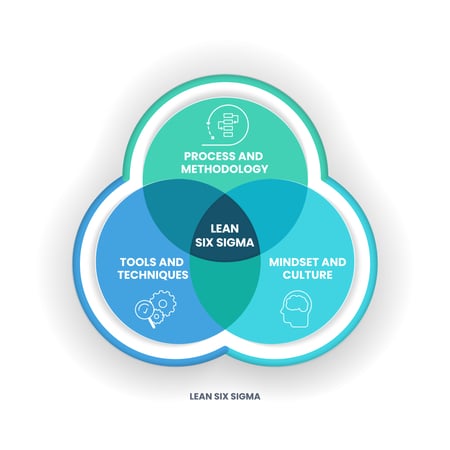
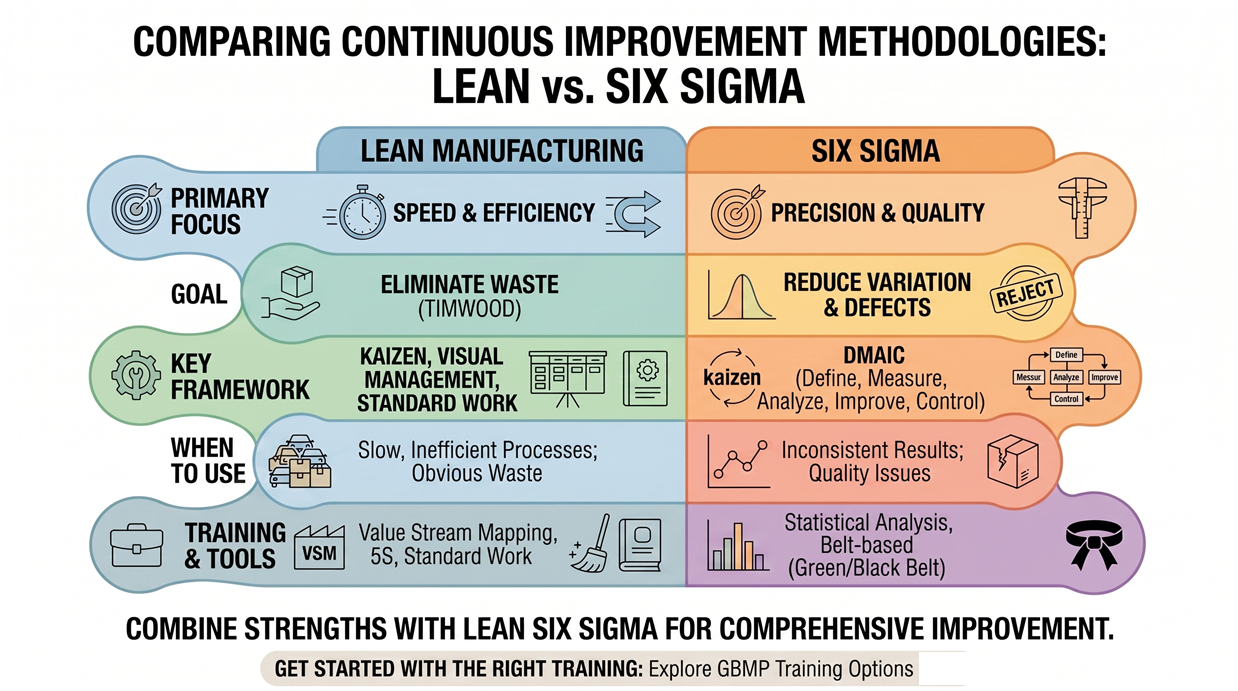
Lean Six Sigma combines two powerful methodologies: Lean (focused on eliminating waste and speeding up processes) and Six Sigma (focused on reducing defects and variation). Together, they give teams a structured, data-driven framework for continuous improvement.
Certification validates that a professional has the knowledge and skills to apply these tools in real-world settings. Belt levels indicate the depth of that expertise from foundational awareness all the way to enterprise-wide leadership.
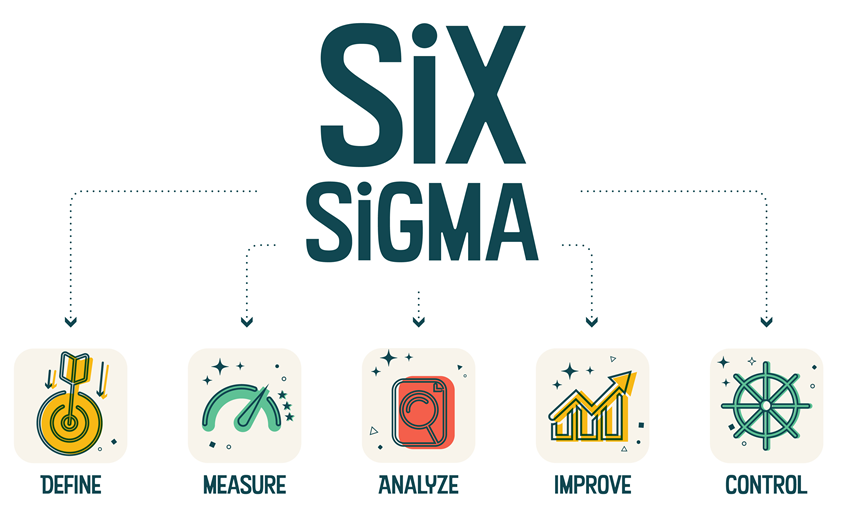
White Belt is the entry point. It provides a high-level overview of Lean Six Sigma concepts, terminology, and the DMAIC methodology (Define, Measure, Analyze, Improve, Control). White Belts don't lead projects, but they support improvement efforts and help build a culture of quality across the organization.
Best for: Front-line employees, support staff, anyone who benefits from awareness-level knowledge.
Yellow Belts go deeper into the methodology and can participate actively in improvement projects as team members. They understand process mapping, basic data collection, and root cause analysis tools.
Best for: Team leads, supervisors, and staff who are regularly involved in process work.
Green Belt is where hands-on project leadership begins. Green Belts are trained to lead smaller-to-mid-scale improvement projects while managing their regular job responsibilities. They're skilled in statistical analysis, process improvement tools, and project facilitation.
Best for: Mid-level managers, analysts, engineers, and operations professionals who will actively drive improvement initiatives.
Black Belts are full-time improvement professionals. They lead complex, high-impact projects, mentor Green Belts, and work cross-functionally across the organization. The green belt vs black belt distinction often comes down to scope, complexity, and time commitment. Black Belts go significantly deeper into advanced statistics and change management.
Best for: Dedicated improvement leaders, senior managers, and those building an internal center of excellence.
Master Black Belts are the strategic architects of a Lean Six Sigma program. They coach Black Belts, develop training curricula, and align improvement initiatives to organizational goals.
Best for: Executives, program directors, and senior consultants overseeing enterprise-wide transformation.
The right mix depends on your goals:
Most organizations benefit from a layered approach with Green Belts embedded in departments, supported by one or two Black Belts driving enterprise results.
Lean Six Sigma training is available in several formats to fit different teams and schedules:
The best training doesn't just teach tools. It builds capability your team can use immediately.
Ready to build a culture of continuous improvement? Explore GBMP's services to find the right program for your team. We offer introductory workshops to full belt certification pathways, open enrollment or just for your employees, remote or on-site,
When organizations begin their continuous improvement journey, one of the most common questions is choosing to implement lean vs six sigma.

If you’ve ever thought,“Lean only works for factories,”it’s time to think again. Here’s why:
When an organization decides to invest in lean, one of the first decisions is how to get there: through structured training or hands-on consulting...