What Is Lean Manufacturing Training? The Complete Guide for Operations Leaders
Lean manufacturing training is a structured approach to teaching organizations how to systematically eliminate waste, improve efficiency, and build a...
2 min read

Investing in lean manufacturing training is a strategic decision, and like any business investment, leadership wants to know: what's the return? Measuring lean training ROI isn't always straightforward, but it is absolutely possible when organizations establish the right baseline metrics, tie training to specific operational outcomes, and track results consistently over time. Companies that approach lean training with a clear measurement framework don't just justify the expense; they accelerate improvement by knowing exactly where training is delivering value and where more work is needed.
Without a clear picture of lean training results, it's easy for continuous improvement initiatives to lose momentum. Budget pressures mount, skeptics push back, and training gets deprioritized when it can't show tangible outcomes. On the flip side, organizations that document the ROI of lean training can make a compelling internal case for expanding the program, developing more leaders, and sustaining the culture change that lean demands. Measurement transforms lean training from a cost center into a visible driver of business performance.
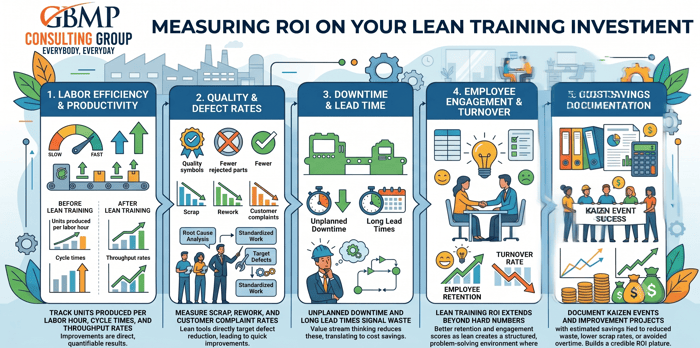
The foundation of measuring lean training ROI is establishing baseline metrics before training begins. Without a before-and-after comparison, it's nearly impossible to isolate the impact of training from other operational changes. Key areas to measure include:
Labor efficiency and productivity. Track units produced per labor hour, cycle times, and throughput rates before and after lean supervisory training is applied. Improvements here often represent the most direct, quantifiable lean training results.
Quality and defect rates. Measure scrap, rework, and customer complaint rates. Lean tools like root cause analysis and standardized work directly target defect reduction, and these numbers tend to move quickly once trained supervisors engage their teams.
Downtime and lead time. Unplanned downtime and long lead times signal waste in scheduling, maintenance, and workflow. As lean-trained managers apply value stream thinking, reductions in these areas translate directly to cost savings.
Employee engagement and turnover. Lean training ROI extends beyond hard numbers. Organizations frequently see improvements in employee retention and engagement scores as lean creates a more structured, problem-solving-oriented work environment where frontline employees have a voice.
Cost savings documentation. Kaizen events and improvement projects led by lean-trained managers should be documented with estimated savings tied to reduced waste, lower scrap rates, or avoided overtime. Even conservative estimates build a credible ROI picture over time.
Organizations consistently report returns well above the cost of training, often within the first year, when supervisors and managers are trained to lead improvement directly on the shop floor.
A common approach is calculating lean training ROI as:
(Total Measurable Savings – Cost of Training) / Cost of Training × 100
Numbers on paper are one thing. Seeing how other manufacturers have translated lean training into documented operational gains is another. Read our case studies to explore how GBMP's training and facilitation services have helped organizations across industries achieve measurable, lasting return on investment lean training results — and how your organization can do the same.
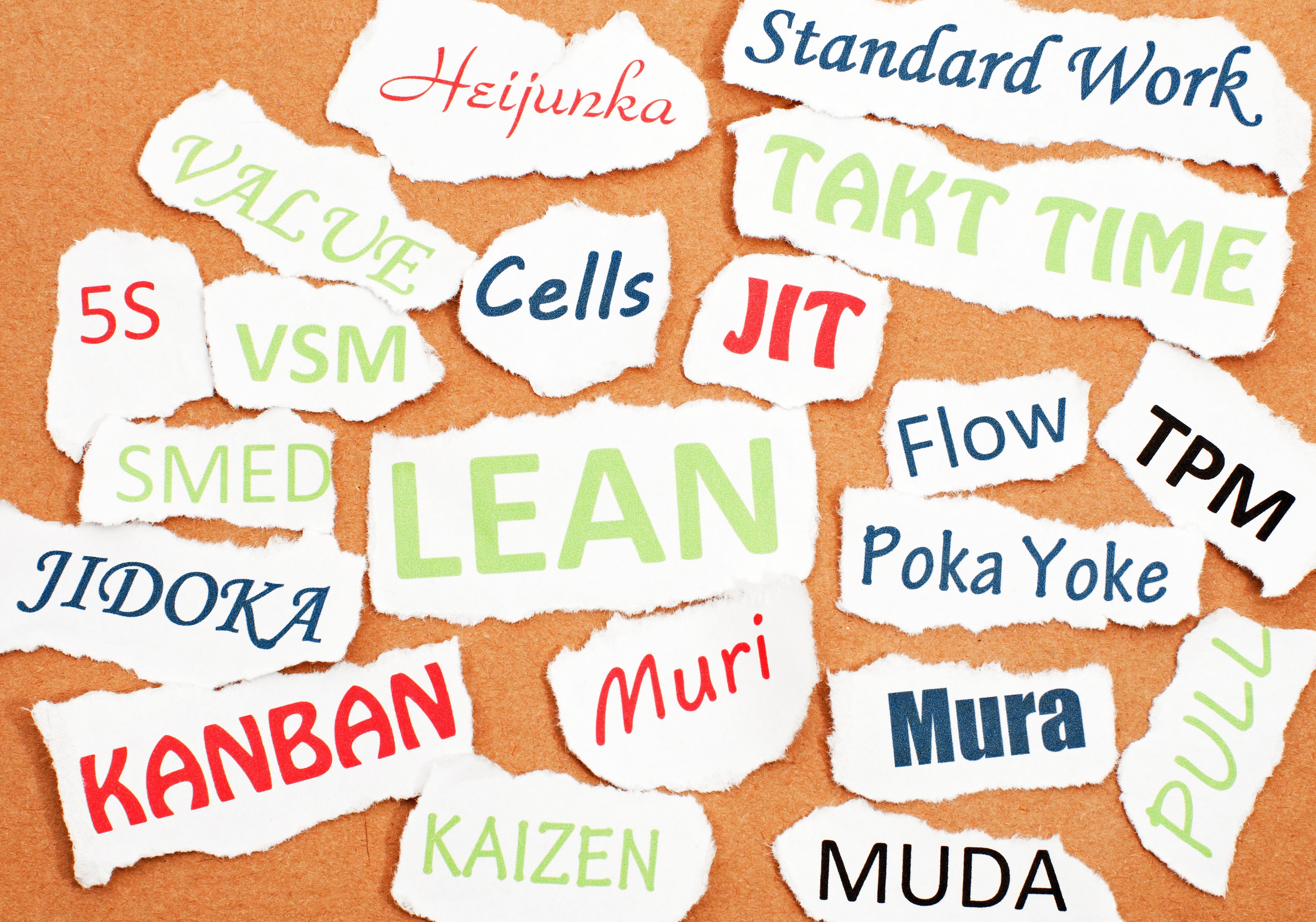
Lean manufacturing training is a structured approach to teaching organizations how to systematically eliminate waste, improve efficiency, and build a...
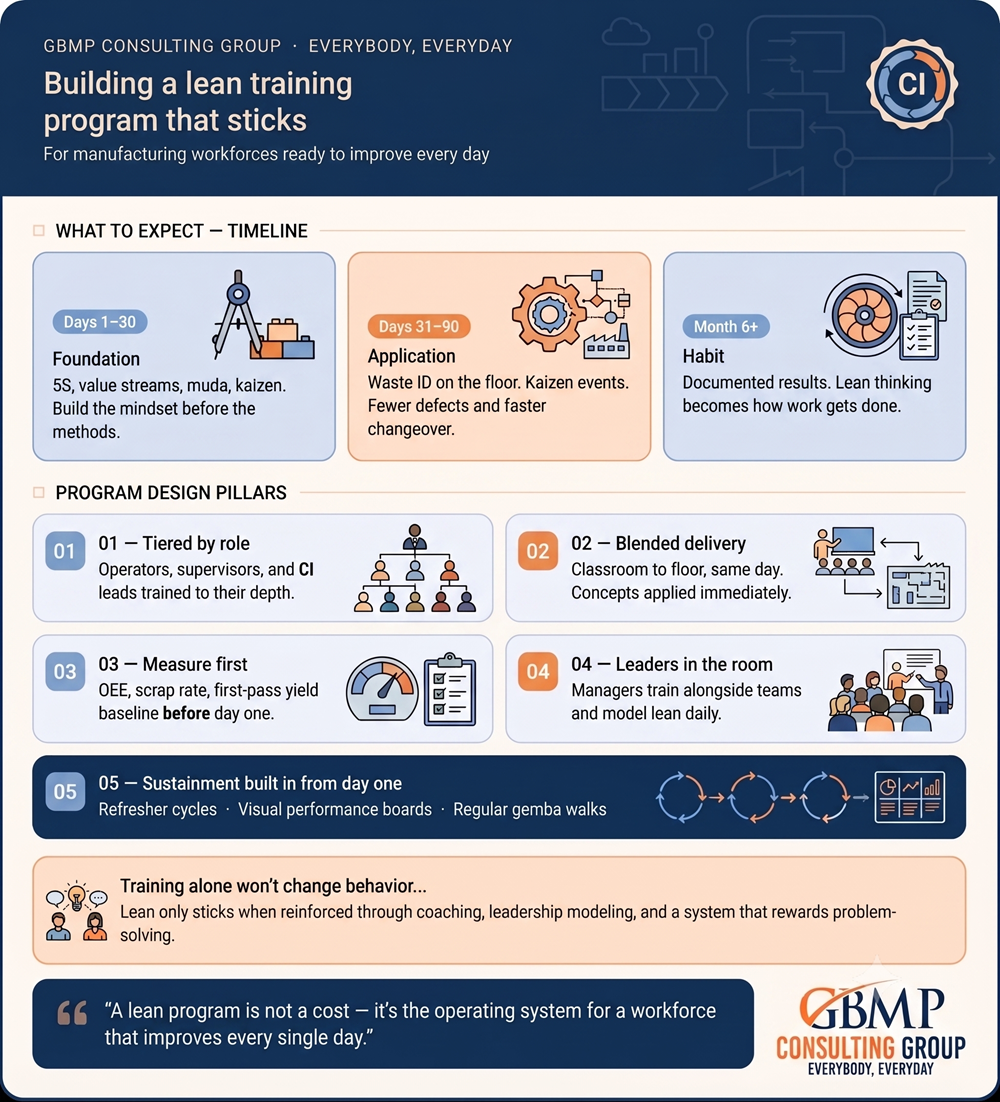
Building a lean training program for your manufacturing workforce is one of the most effective investments you can make in long-term operational...
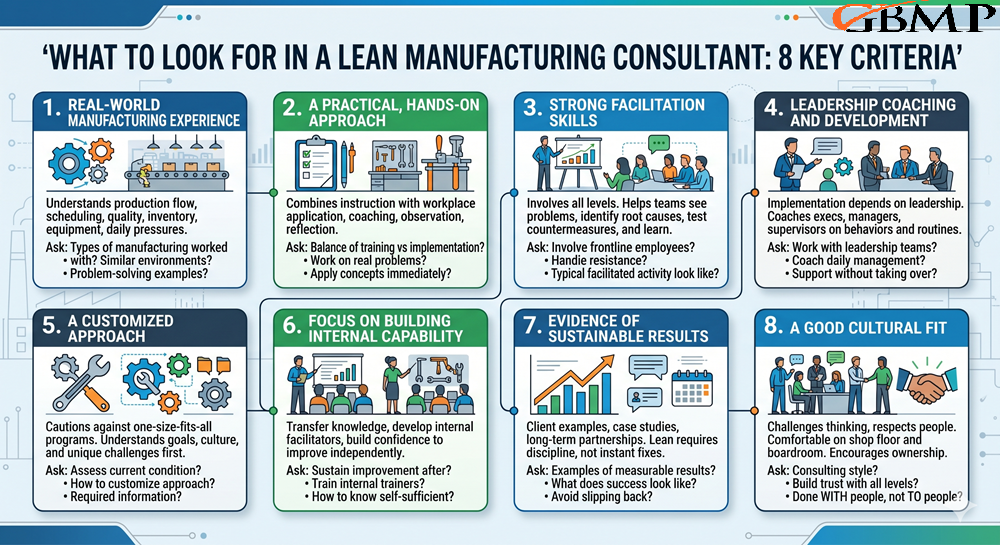
Choosing the right lean manufacturing consultant can make the difference between short-term improvement activity and long-term operational...