Skip to the main content.

What Is Lean Manufacturing Training? The Complete Guide for Operations Leaders


What is Lean Manufacturing TrainingLean manufacturing training is a structured approach to teaching organizations how to systematically eliminate waste, improve efficiency, and build a culture of continuous improvement across operations.

For operations leaders, the challenge isn’t understanding what lean is. It’s knowing how to implement it in a way that delivers measurable, lasting results. That’s where the right training program makes the difference.

In this guide, we’ll break down what lean manufacturing training includes, who it’s for, how it works, and how to ensure it delivers real ROI.


What is Lean Manufacturing Training?

Lean manufacturing training is a structured program that teaches individuals and organizations how to apply lean principles, tools, and behaviors to improve operational performance by eliminating waste and increasing value for customers.

Unlike one-off workshops or theoretical courses, effective lean training focuses on real-world application, helping teams identify inefficiencies, solve problems, and sustain improvements over time.

At its core, lean training is about:

    • Developing problem-solving capability at every level
    • Creating standardized, repeatable processes
    • Building a culture of continuous improvement
    • Aligning operations with customer value

🔄Organizations that invest in lean training aren’t just improving processes. 
👍
They’re building long-term competitive advantage.


The Principles Lean Training Is Built On

Lean manufacturing training is grounded in the principles of the Toyota Production System (TPS) and lean thinking. These principles provide the foundation for every tool, method, and behavior taught in training.

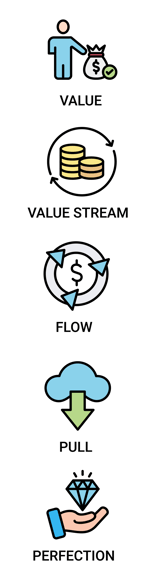
1. Define Value5 Lean Principles
Value is defined from the customer’s perspective. Lean training teaches teams how to distinguish between:

    1. Value-added activities
    2. Non-value-added activities (waste)

Understanding this distinction is the first step toward meaningful improvement.

2. Map the Value Stream
Teams learn how to visualize the flow of materials and information using Value Stream Mapping (VSM). This reveals bottlenecks, delays, and inefficiencies across the entire process.

3. Create Flow
Lean training emphasizes designing processes so work flows smoothly without interruption. This includes reducing batch sizes, eliminating delays, and balancing workloads.

4. Establish Pull
Instead of producing based on forecasts, lean systems respond to actual demand using pull systems like Kanban. Training helps teams implement these systems effectively.

5. Pursue Perfection
Continuous improvement, also known by the Japanese term Kaizen, is central to lean. Training programs build the mindset and skills needed to continuously identify and eliminate waste.

These principles are reinforced through hands-on learning, simulations, and real-world application.

Who Needs Lean Manufacturing Training?

Senior leaders need lean training to learn how to:

    • Align strategy with execution
    • Drive cultural transformation
    • Set expectations for continuous improvement

Without leadership alignment, lean initiatives often stall.

Plant managers use lean training to:

    • Improve throughput and efficiency
    • Reduce downtime and variability
    • Lead daily operational improvements

They play a critical role in sustaining results.

CI leaders rely on lean training to:

    • Facilitate improvement initiatives
    • Coach teams on lean tools
    • Measure and track performance

They are often the internal champions of lean.

Lean principles extend beyond manufacturing. In healthcare, training helps:

    • Reduce patient wait times
    • Improve care coordination
    • Eliminate administrative inefficiencies

For small and mid-sized manufacturers, lean training enables:

    • Scalable growth without adding unnecessary cost
    • Improved cash flow and lead times
    • Stronger operational discipline


The 7 Forms of Waste Lean Training Addresses

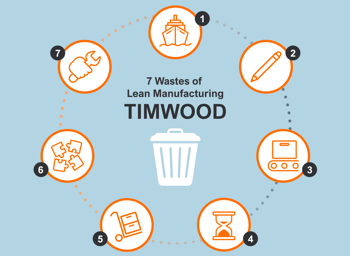
One of the first concepts taught in lean manufacturing training is waste identification, often referred to as TIMWOOD.


TIMWOOD: The 7 WastesTIMWOOD 7 Wastes of Lean

    • Transportation – Unnecessary movement of materials
    • Inventory – Excess stock that ties up capital
    • Motion – Inefficient movement of people
    • Waiting – Idle time between processes
    • Overproduction – Producing more than needed
    • Overprocessing – Doing more work than required
    • Defects – Errors requiring rework or scrapMuda Muri and Mura


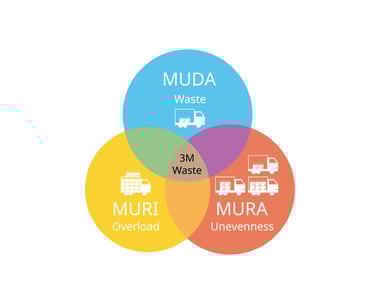
Beyond TIMWOOD: The 3Ms
Lean training also introduces:

    • Muda (Waste) – Non-value-added work
    • Mura (Unevenness) – Variability in processes
    • Muri (Overburden) – Overloading people or equipment

Understanding these concepts helps teams identify root causes,  not just symptoms.


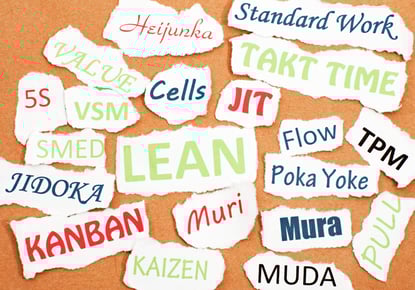
Core Lean Tools Covered in Training


Lean manufacturing training introduces a wide range of tools, each designed to solve specific operational challenges. 

Types of Lean Training Programs Available

Organizations can choose from several types of lean training programs depending on their needs and maturity level. The most effective organizations combine multiple formats to reinforce learning.

Customized training delivered at your facility.

Best for:

    • Teams working on real processes
    • Immediate application of learning

Open-enrollment sessions with participants from multiple companies.

Best for:

    • Individual skill development
    • Exposure to diverse perspectives

Online sessions and remote coaching.

Best for:

    • Distributed teams
    • Flexible scheduling

Structured programs combining multiple courses over time.

Best for:

    • Long-term capability building
    • Leadership development

Programs aligned with the Shingo Model, emphasizing culture and principles.

What to Expect from a Lean Training Program


A well-designed lean training program

follows a structured progression. 

1. Operational Assessment

The process typically begins with
an assessment to identify:

Key inefficiencies
Improvement opportunities
Baseline performance metrics
2. Leadership Alignment

Executives participate in briefings to:

Understand lean principles
Align on goals and expectations
Commit to cultural change

3. Training & Workshops

Teams participate in hands-on |
sessions covering:

Lean principles
Tools and methods
Real-world application

4. Implementation

Participants apply what they’ve learned
to actual processes, often through:

Kaizen events
Pilot projects


5. Coaching & Sustainment

Ongoing support ensures improvements
are maintained and expanded. 


How Long Does Lean Training Take?

Lean training timelines vary, but most programs follow a phased approach:

    • Initial training: 1–3 months
    • Implementation phase: 3–12 months
    • Cultural transformation: Ongoing

⌛Lean is not a one-time initiative. It’s a long-term commitment.


What Are the Benefits of Lean Manufacturing Training?

Lean training delivers both operational and financial benefits.

Operational Benefits

        • Reduced lead times
        • Improved quality
        • Increased productivity
        • Better employee engagement

Financial Benefits

        • Lower operating costs
        • Reduced inventory
        • Improved cash flow
        • Higher profitability

Strategic Benefits

        • Greater agility
        • Stronger customer satisfaction
        • Sustainable competitive advantage


How to Measure ROI from Lean Training

Measuring ROI is critical to ensuring lean training delivers value.

➡️ Key Metrics to Track

        • Lead time reduction

        • OEE improvements

        • Scrap and defect rates

        • Inventory turns

        • Labor productivity

➡️ Financial Impact

Organizations often see:

        • 20–50% reduction in lead time
        • Significant cost savings from waste elimination
        • Increased throughput without additional resources

➡️ Cultural Indicators

        • Employee participation in improvement

        • Number of implemented ideas

        • Cross-functional collaboration


Lean Training vs. Lean Consulting: What’s the Difference?

While often used together, lean training and lean consulting serve different purposes. The most effective approach combines both: training to build capability, consulting to guide execution.


Lean Training:

    • Focuses on building internal capability

    • Teaches tools, principles, and behaviors

    • Empowers teams to improve processes


Lean Consulting

    • Provides external expertise

    • Helps solve specific problems

    • Accelerates implementation


Lean Training for Manufacturing vs. Healthcare

Lean principles apply across industries, but implementation differs. Despite differences, both share the same goal: delivering value with less waste.

 Manufacturing

    • Focus on production flow

    • Equipment efficiency

    • Inventory reduction

 Healthcare

    • Focus on patient flow

    • Reducing wait times

    • Improving care coordination


Why Most Lean Training Fails Without Culture

As many practitioners emphasize, tools don’t create result. People do.

 Common Pitfalls: 

One of the most common reasons lean initiatives fail is a lack of cultural alignment.

    • Treating lean as a toolset instead of a mindset

    • Lack of leadership commitment

    • Failing to engage frontline employees


The Role of Culture: 

Successful lean organizations emphasize:

    • Respect for people
    • Total employee involvement
    • Continuous learning

How to Choose a Lean Training Provider

Selecting the right partner is critical to success.
The right provider should act as a partner,
not just a trainer. 

1. What to Look For

Proven track record with real results

Industry experience

Hands-on, practical training approach

Strong cultural focus


2. Questions to Ask

 
How do you ensure sustainment?

Do you customize training to our operations?

What results have you achieved with similar organizations?


3. Training & Workshops


Overly theoretical programs

Lack of real-world application

No follow-up or coaching


FAQs About Lean Manufacturing Training

 
A Personalized Lean Operational Assessment and Lean Training PlanStart Your Lean Journey


Lean manufacturing training is more than a program—it’s a transformation.

Organizations that invest in the right training don’t just improve processes. They build a culture that continuously drives performance, engages employees, and delivers value to customers.

If you're ready to take the next step, consider starting with an operational assessment to identify your biggest opportunities.

👉 Schedule a Free Lean Operational Assessment today