What Is Just-In-Time Manufacturing? The JIT System Explained
Just in time manufacturing, often called JIT or Just In Time Production Systems, is a Lean approach focused on producing only what is needed, when it...
2 min read
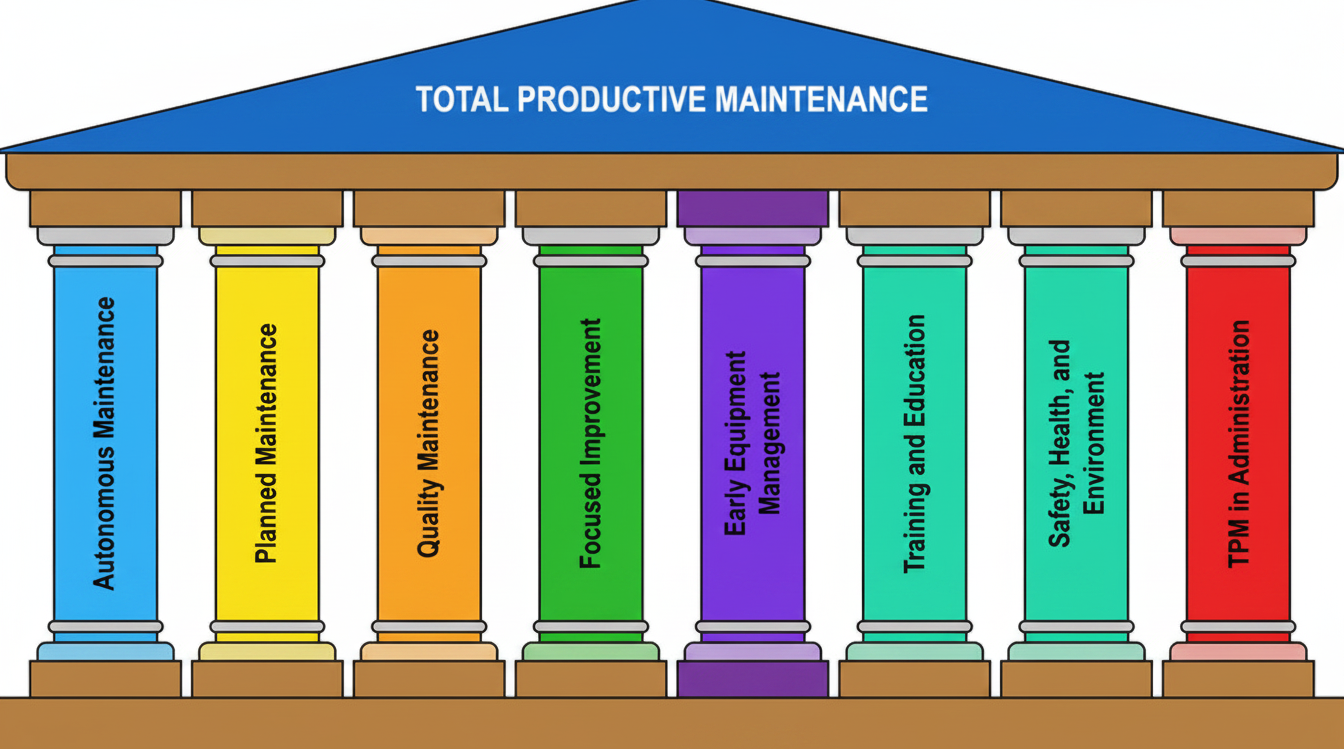
In the high-stakes world of modern production, a machine breakdown is more than just a technical glitch. It’s a momentum killer. Traditional maintenance often feels like a "dark art" performed by a specialized team in the basement, but Total Productive Maintenance (TPM) flips that script. It transforms maintenance from a reactive chore into a proactive, site-wide culture of ownership.
Total Productive Maintenance (TPM) is a holistic approach to equipment maintenance that strives to achieve perfect production: no breakdowns, no small stops or slow running, no defects, and no accidents. Unlike traditional programs where operators run the machines and maintenance techs fix them, a TPM manufacturing program empowers the people closest to the equipment, the operators, to take an active role in its health.
 To understand TPM lean strategy, you have to look at its foundation. TPM is typically built on a "house" of eight pillars, with 5S as the floor.
In the ecosystem of lean manufacturing countermeasures, TPM is the stabilizer. You cannot implement Just-in-Time (JIT) production or flow if your machines are unpredictable. If your equipment is prone to "micro-stops," your entire value stream becomes a series of bottlenecks.
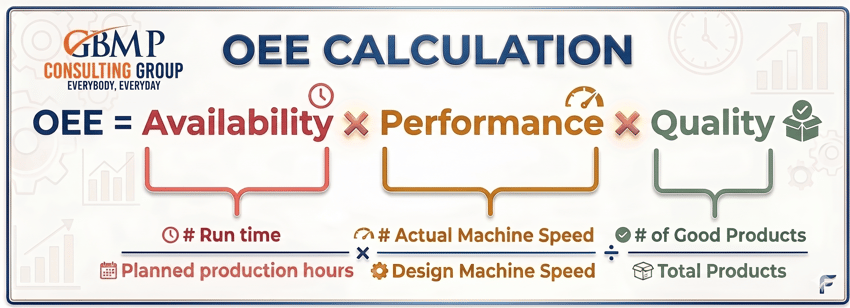
By integrating TPM into your Lean journey, you focus on Overall Equipment Effectiveness (OEE). OEE is the gold standard metric for measuring productivity, calculated as:
TPM targets the "Six Big Losses" (such as setup time, idling, and startup rejects) to ensure that your OEE score reflects a truly lean operation.
The "Total" in Total Productive Maintenance is the most important word. It means total participation. When operators are trained to spot a leak or hear a strange vibration before it leads to a catastrophic failure, they move from being "hired hands" to "process owners." This shift in mindset reduces the friction between departments and fosters a sense of pride on the shop floor.
A successful TPM manufacturing program doesn't just keep the oil changed; it builds a resilient workforce that understands the "why" behind the "how."
The transition to a proactive maintenance culture requires more than a manual; it requires a shift in mindset. GBMP provides the hands-on expertise needed to turn these concepts into reality. Whether you are looking to launch your first pillar or refine your OEE tracking, we can help. Explore our Training and Facilitation services to start your TPM journey today.
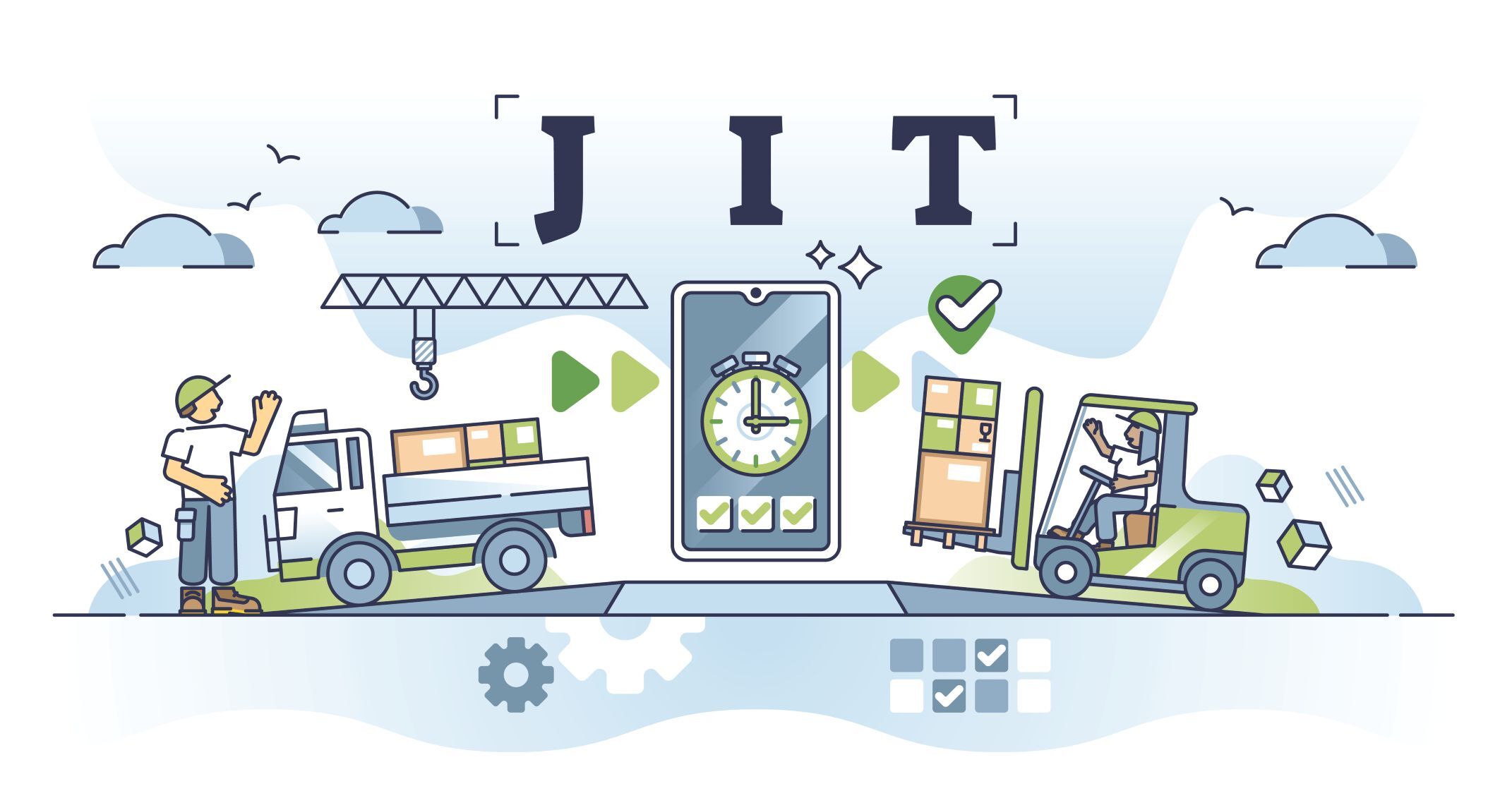
Just in time manufacturing, often called JIT or Just In Time Production Systems, is a Lean approach focused on producing only what is needed, when it...
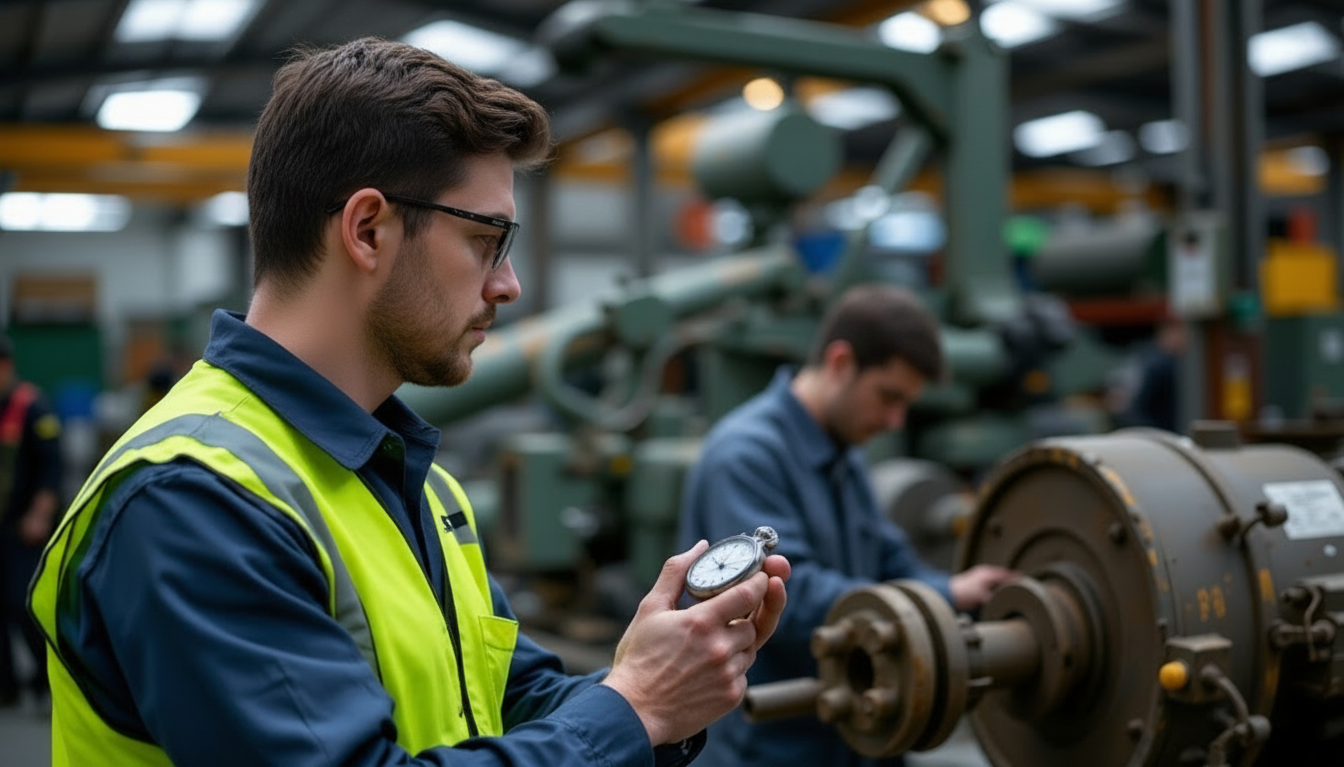
Every minute your line is stopped for a changeover is a minute it isn't producing. In competitive manufacturing environments, that lost time adds up...
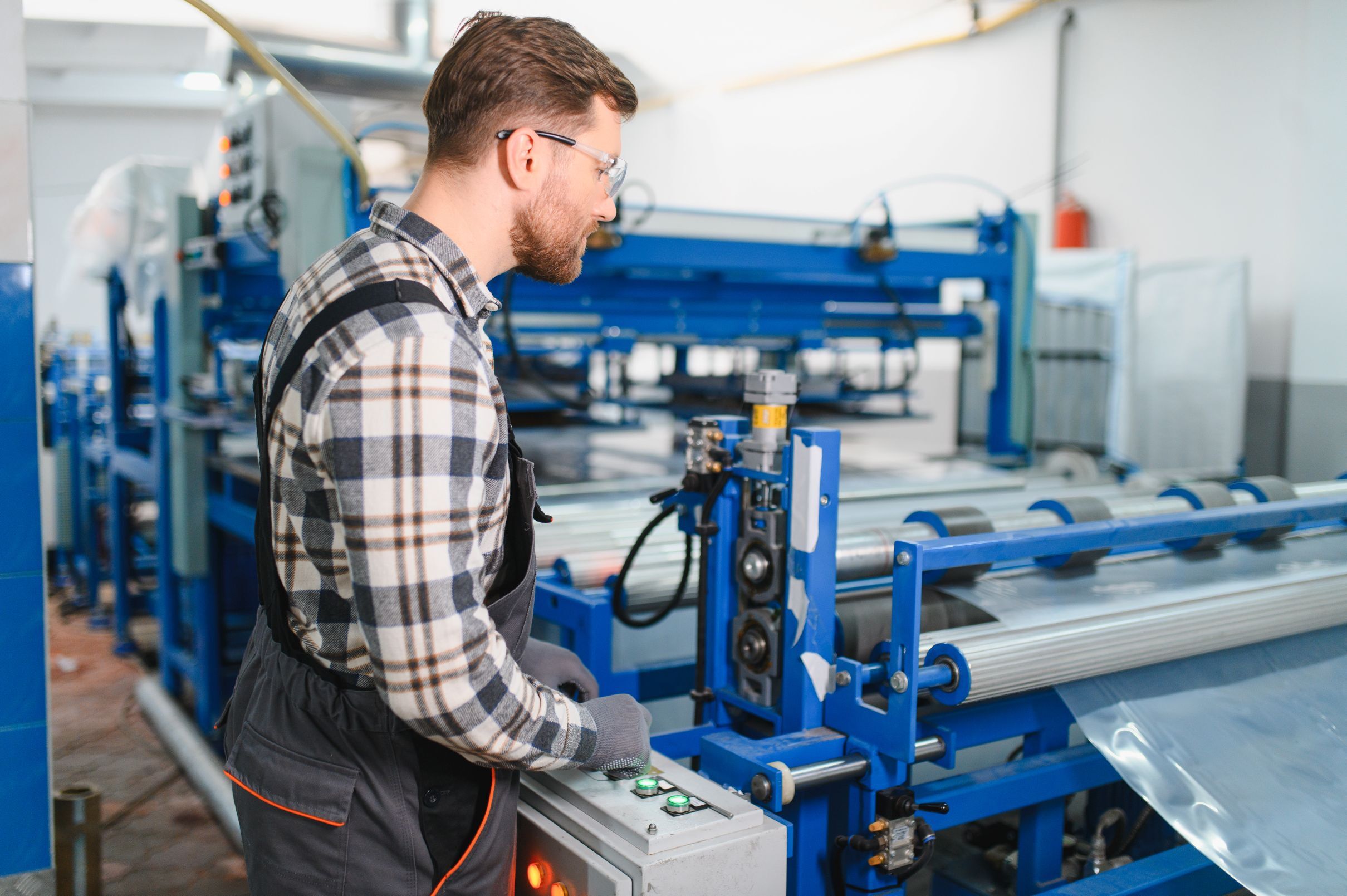
If your production line keeps falling short of targets, the problem might be invisible losses hiding inside your equipment. OEE (Overall Equipment...