The 7 Wastes of Lean Manufacturing: How to Identify and Eliminate Them
Lean manufacturing is built on a simple but powerful idea: eliminate anything that does not add value to the customer. At the heart of this...
2 min read
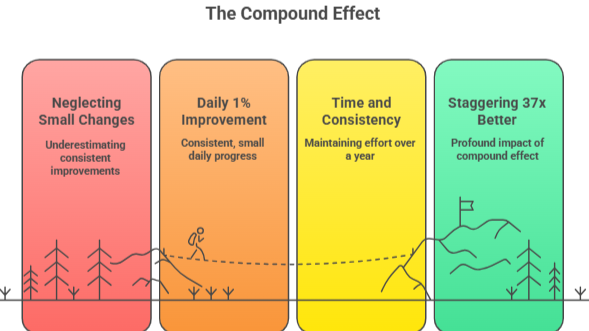
If you’ve ever asked, “what is kaizen?”, you’re not alone. Kaizen is one of the most fundamental concepts in Lean thinking and one of the most powerful. At its core, kaizen continuous improvement is about making small, consistent changes that lead to meaningful, long-term results.
Originating in Japan, the meaning of kaizen comes from two words: kai (change) and zen (good). Together, they represent a philosophy of “change for the better.” But kaizen is more than just a definition. It’s a mindset that transforms how organizations operate and how people approach their work.
Kaizen is built on the belief that improvement is everyone’s responsibility, every day. (Sound familiar? This is where GBMP's slogan comes from.) Unlike large-scale transformation initiatives, kaizen focuses on incremental changes that are easier to implement, sustain, and build upon over time.
This philosophy encourages organizations to:
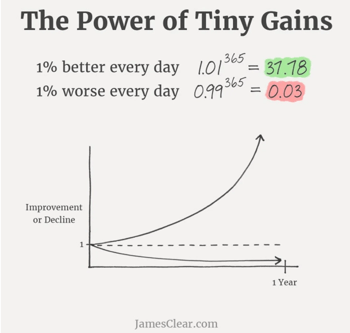
In a kaizen culture, even small inefficiencies are opportunities. Over time, these small improvements compound, leading to significant gains in productivity, quality, and employee engagement.
Kaizen can take many forms, from informal daily improvements to structured events like kaizen workshops or rapid improvement events (blitzes). The key is consistency and involvement. 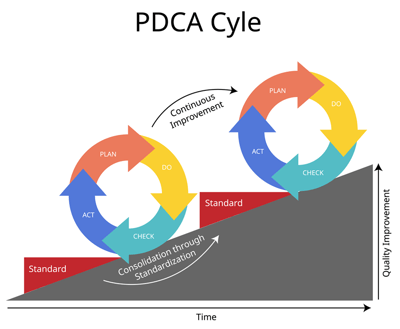
Common kaizen practices include:
One widely used approach within kaizen is the Plan-Do-Check-Act (PDCA) cycle. This iterative method allows teams to test improvements on a small scale, evaluate results, and refine their approach before full implementation.
Organizations that embrace kaizen continuous improvement often see benefits beyond operational efficiency. These include:
Because kaizen relies on the people doing the work, it helps build a culture where continuous improvement becomes second nature rather than just a one-time initiative.
As part of Lean’s foundational toolkit, kaizen supports many other improvement methods. It works hand-in-hand with tools like value stream mapping,5S, and standard work to create a system that continuously evolves.
Rather than viewing improvement as a project with a start and end date, kaizen makes it an ongoing process embedded in daily operations. This is why it’s often considered one of the most important core tools in Lean.
If you’re exploring what is kaizen and how to apply it in your organization, the best place to start is by building awareness and capability within your team. Begin small—encourage employees to identify simple improvements and act on them quickly. Over time, these efforts will grow into a culture of continuous improvement.
By embracing the true meaning of kaizen, organizations can unlock ongoing improvement, empower their people, and create lasting competitive advantage.
Ready to create a sustainable kaizen culture in your organization?
GBMP offers hands-on training, workshops, and resources to help you build a sustainable culture of continuous improvement. 👉Learn more about how to get started here.
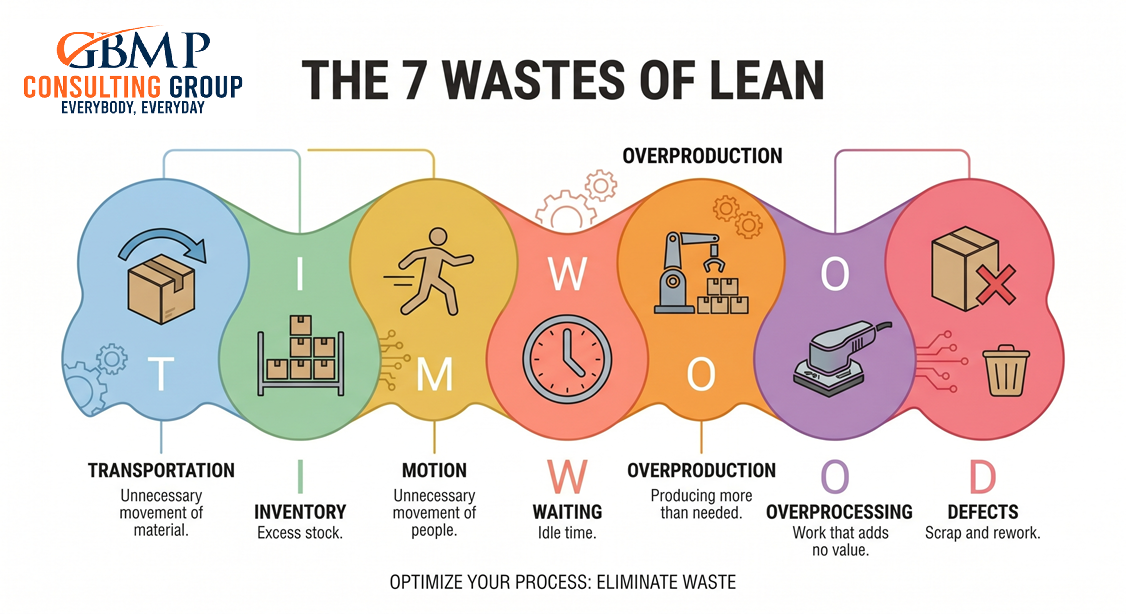
Lean manufacturing is built on a simple but powerful idea: eliminate anything that does not add value to the customer. At the heart of this...
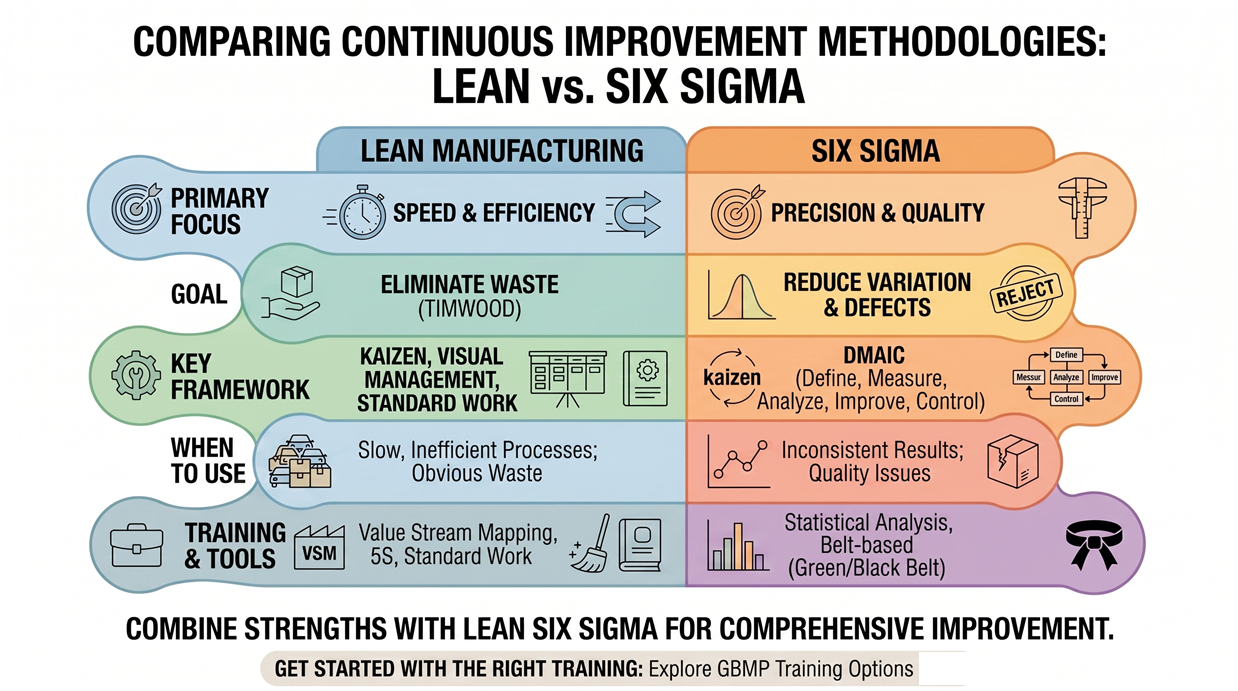
When organizations begin their continuous improvement journey, one of the most common questions is choosing to implement lean vs six sigma.

If you’ve ever thought,“Lean only works for factories,”it’s time to think again. Here’s why: