Lean vs Six Sigma: What’s the Difference and Which Does Your Operation Need?
When organizations begin their continuous improvement journey, one of the most common questions is choosing to implement lean vs six sigma.
2 min read
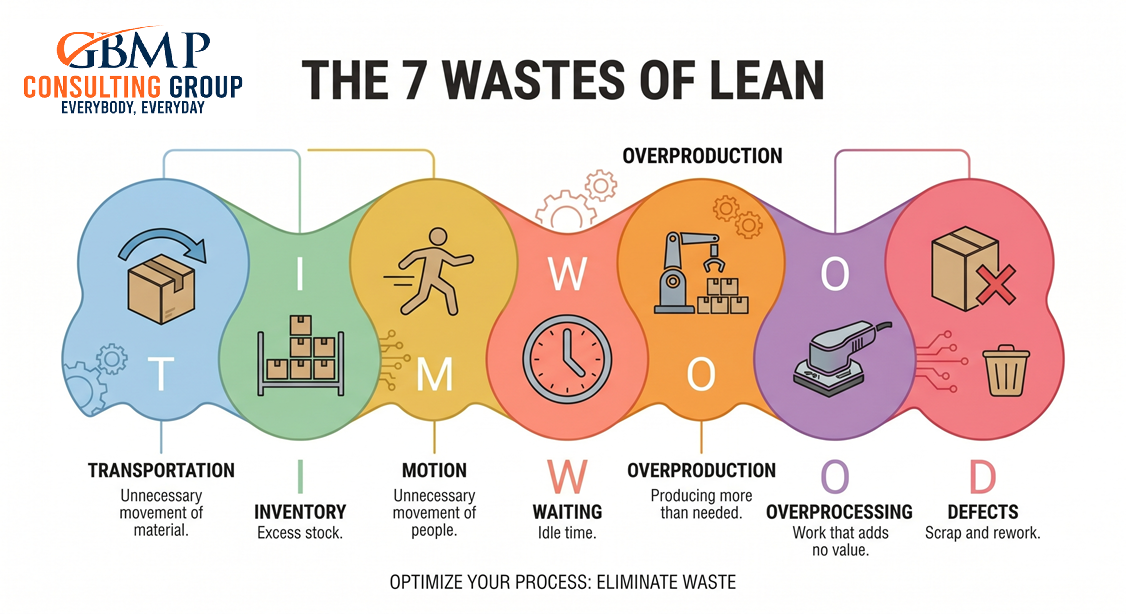
Lean manufacturing is built on a simple but powerful idea: eliminate anything that does not add value to the customer. At the heart of this philosophy are the 7 wastes of lean manufacturing, a framework that helps organizations identify inefficiencies and improve flow. Often remembered by the acronym TIMWOOD, these wastes represent the most common forms of lost time, effort, and resources in production and business processes.
Understanding the types of waste in manufacturing is the first step toward building a more efficient, competitive organization.
The acronym TIMWOOD stands for the seven categories of waste in Lean: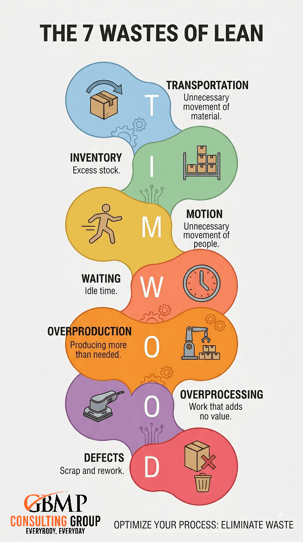
1. Transportation
Unnecessary movement of materials or products between processes adds cost without adding value. This often results from poor layout or inefficient workflow design.
2. Inventory
Excess raw materials, work-in-progress (WIP), or finished goods tie up capital and can hide underlying process problems. Lean focuses on maintaining only what is needed, when it is needed.
3. Motion
Any unnecessary movement by people such as walking, reaching, searching wastes time and increases fatigue. Optimizing workstations and standardizing processes can significantly reduce motion waste.
4. Waiting
Idle time occurs when materials, information, or people are not ready. Bottlenecks, unbalanced workloads, and delays between steps all contribute to waiting waste.
5. Overproduction
Producing more than the customer needs or producing too early is one of the most critical wastes. It leads to excess inventory and masks inefficiencies elsewhere in the system.
6. Overprocessing
Doing more work than necessary or using more complex processes than required does not increase customer value. This includes redundant steps, excessive inspections, or overly tight tolerances.
7. Defects
Errors that require rework, scrap, or correction are costly and disruptive. Defects not only waste materials but also consume time and damage customer satisfaction.
Recognizing the 7 wastes of lean manufacturing requires a structured approach. Start by observing processes directly (often referred to as “going to the gemba"). Look for delays, rework loops, excess inventory, and unnecessary movement. Value stream mapping is another powerful tool to visualize where waste exists across the entire workflow.
Engaging employees is critical. The people doing the work often have the best insight into inefficiencies and improvement opportunities.
Eliminating waste is not a one-time effort. It is a continuous journey. Lean organizations focus everyday on:
Small, incremental improvements, known as kaizen, can lead to significant gains over time.
Understanding TIMWOOD is just the beginning. Successfully reducing the 7 types of waste in manufacturing requires the right tools, training, and cultural mindset.
By focusing on the 7 wastes of lean manufacturing, organizations can unlock hidden capacity, improve quality, and deliver greater value to customers without adding cost.
Getting Started with GBMP
If you’re ready to put Lean principles into action, GBMP Consulting Group offers hands-on training, workshops, and resources to help your team identify and eliminate waste effectively. Whether you're new to Lean or looking to deepen your capabilities, GBMP can guide your journey toward operational excellence. Get in touch. We'd love to hear from you.
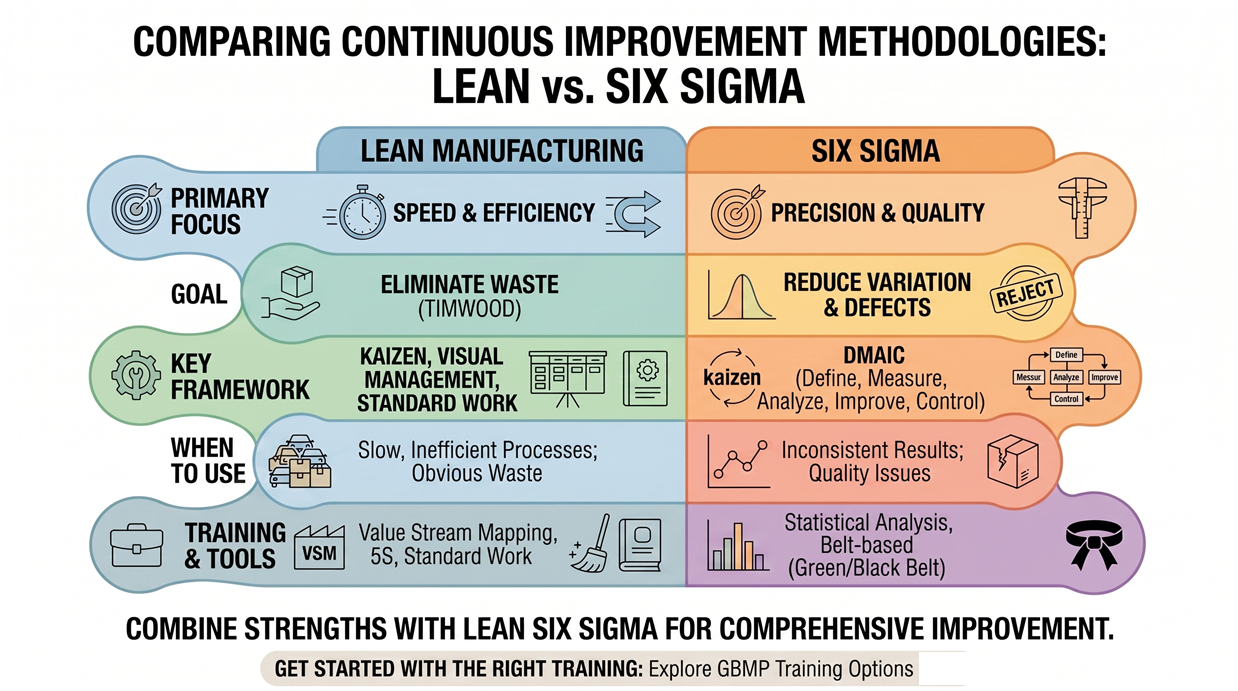
When organizations begin their continuous improvement journey, one of the most common questions is choosing to implement lean vs six sigma.
When an organization decides to invest in lean, one of the first decisions is how to get there: through structured training or hands-on consulting...
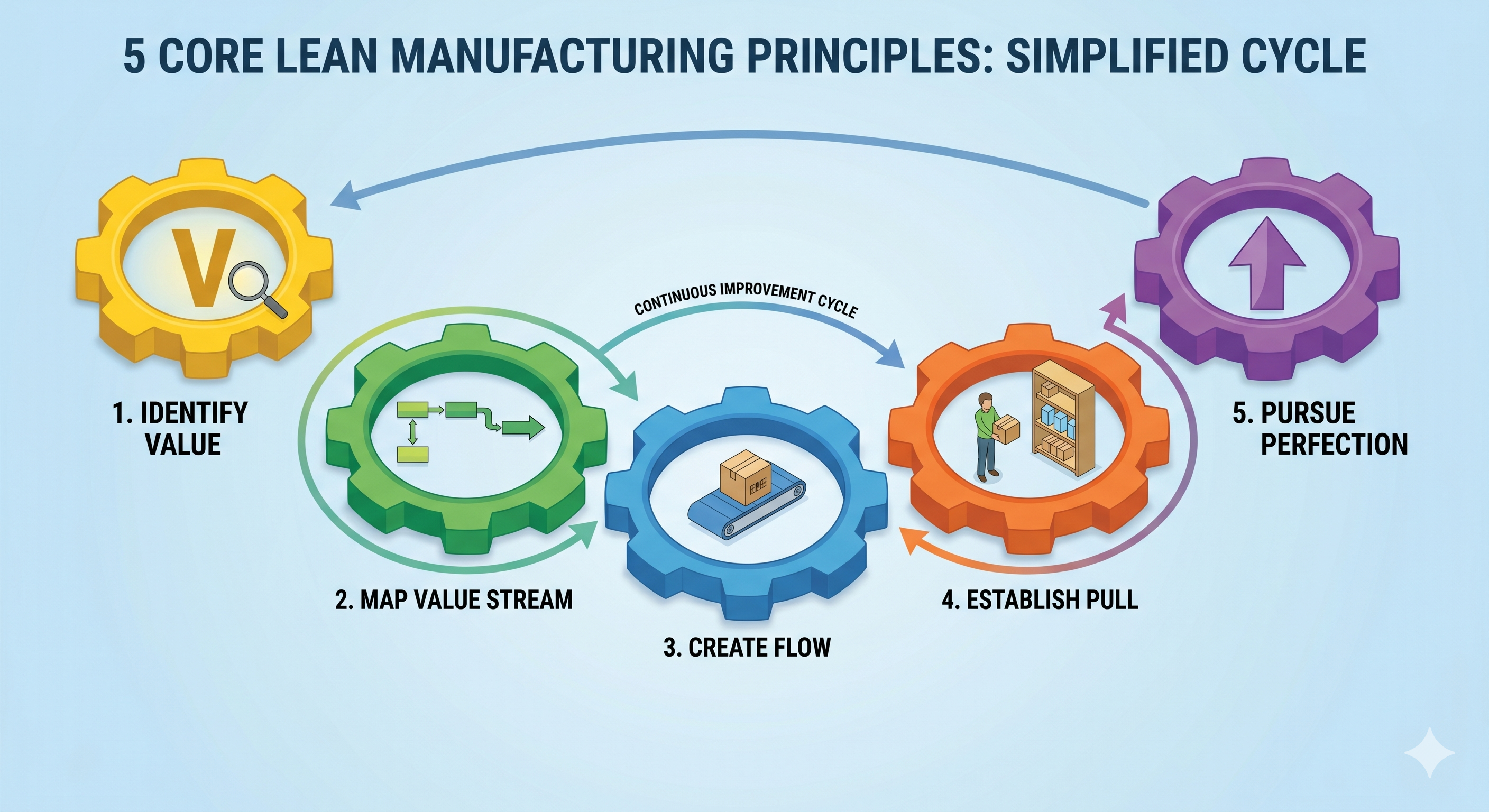
Lean manufacturing is built on a simple but powerful idea: maximize value while minimizing waste. Originating from the Toyota Production System, lean...