
Dispatches from the Toast Dude

Bruce Hamilton


Recent Posts

One-by-One Information Flow: The Lean Principle Most Organizations Miss

Feb 12, 2026 5:23:50 PM / by Bruce Hamilton posted in material and information flow, process flow, toyota production system, continuous flow, Lean Manufaturing

0 Comments

When leaders talk about Lean, the conversation almost always centers on material flow.
  • Reduce inventory.

  • Improve throughput.

  • Create continuous flow.

But here’s the overlooked truth: Material cannot flow one by one unless information flows one by one. And in most organizations, it doesn’t.

The Illusion of “Real-Time”

Years ago, information moved through organizations on greenbar paper. Today it moves through ERP systems, dashboards, inboxes, shared drives, and messaging platforms.

We’ve gone paperless. But we haven’t gone flow-based.

We still batch information:

  • Orders entered at the end of the day
  • Emails processed in blocks
  • Schedules updated periodically
  • Reports reviewed weekly
  • Problems analyzed after the shift

The technology is modern. The behavior is not.

Material may be staged on the floor, but the information controlling it is often sitting in digital queues — invisible inventory extending lead time and increasing risk.

Information Has Waste, Too

When we teach value stream mapping, it’s called material and information flow for a reason.

Information suffers from the same wastes as material:

  • Overproduction – generating forecasts, schedules, or reports too early
  • Inventory – orders sitting in inboxes or ERP queues
  • Waiting – approvals, responses, data entry
  • Motion – searching for the “right” version
  • Defects – conflicting or outdated data

At Toyota, inventory is sometimes symbolized as a headstone — because it represents stagnation.

Information stagnates, too. And when it sits, it becomes wrong.

Meanwhile, customers don’t care whether their order is stuck in a physical queue or a digital one. Lead time is lead time.

What TPS Actually Requires

The Toyota Production System is not a collection of tools. It is a design logic.

Spear and Bowen’s research on TPS identified several core rules:

  1. Work must be highly specified (content, sequence, timing, outcome).
  2. Customer-supplier connections must be direct and unambiguous.
  3. Every product or service must follow a simple, consistent path.
  4. Problems must be solved immediately using scientific thinking.

None of this works without precise, real-time information flow.

If multiple systems can change a schedule independently, connections aren’t direct.
If work can be routed five different ways depending on convenience, pathways aren’t simple.
If problems are collected and reviewed later, improvement isn’t immediate.

In each case, batching information undermines flow.

What One-by-One Information Looks Like

One-by-one information flow isn’t theoretical. It’s visible:

  • A Kanban card that clearly signals what to produce — and nothing more.
  • A heijunka board that defines exact sequence and mix.
  • An hour-by-hour production chart that exposes misses in real time.
  • A checklist used step-by-step, not completed at the end.
  • Visual controls embedded directly in the workplace.

In these systems:

  • Material flows forward.
  • Information flows backward.
  • Problems surface instantly.

There’s no ambiguity. No hidden backlog. No “we’ll look at that later.”

When something breaks, it stops the system — and that’s intentional.

Flow is designed to expose instability, not hide it.

The Leadership Test

Here’s the real question:

When your system surfaces a problem, does someone respond immediately?

If the answer is no, people will stop surfacing problems.

Visual tools will become paperwork.
Dashboards will become decoration.
Continuous improvement will become episodic.

One-by-one information flow requires more than tools. It requires leadership intent.

The Bottom Line

Continuous flow depends on three things:

  • One-by-one material flow
  • One-by-one problem solving
  • One-by-one information flow

You cannot have the first two without the third.

If flow feels elusive in your organization, don’t just look at machines, staffing, or layout.

Look at how information moves.

If it’s batching, stagnating, or diverging… flow is mathematically impossible.

And that’s where real Lean work begins.

Read More

Continuous Improvement Fails Without Leadership Engagement. Here’s What to Do About It.

Feb 9, 2026 3:56:26 PM / by Bruce Hamilton posted in Management Kaizen, Shingo Institute, kaizen, lean leadership, Lean Management

0 Comments

If you’ve been asked to lead continuous improvement, this scenario may sound familiar: teams are learning Lean methods, projects are underway, and real effort is happening on the frontline, yet senior leadership barely knows what’s going on. Or worse, they “support” the initiative in theory but remain distant in practice.

Read More

What is blocking your CI success?

Feb 5, 2026 3:30:00 PM / by Bruce Hamilton posted in continuous improvement, Toyota Production System. Lean manufacturing, 7 wastes, Toyota Production, obstacles

0 Comments

Obstacles Are Inevitable. Complacency Isn’t.

Read More

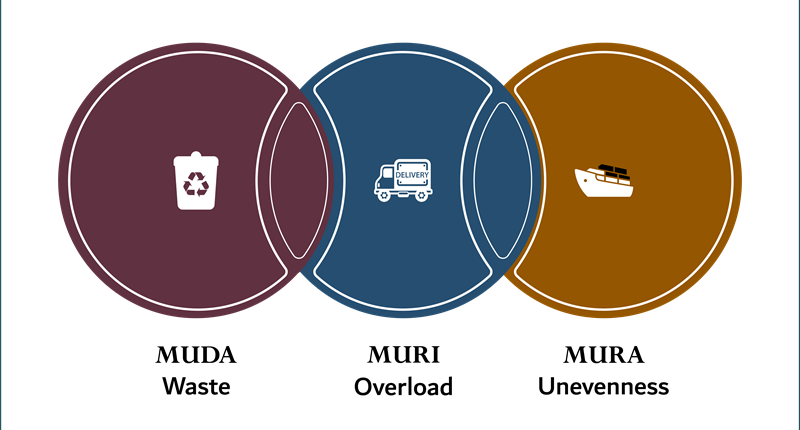
It’s Not All Muda (Waste); Don’t Overlook Mura (Unevenness)

Feb 4, 2026 3:35:00 PM / by Bruce Hamilton posted in continuous improvement, muda, 7 wastes, toyota production system, Muri, mura, Lean Manufaturing

0 Comments

Why Unevenness (Mura) Sinks Even the Best Canoers

Read More

How's your Standardized Work?

Feb 3, 2026 3:28:45 PM / by Bruce Hamilton posted in lean manufacturing, continuous improvement, standard work, toyota production system, standardized work

0 Comments

Toyota views Standardized Work as the one of the most fundamental parts of their production system but sadly we just don't see a lot of companies doing a really good job with it. It's hard, to be sure, and there's a lot of prerequisites. Most importantly, Standardized Work won't succeed through good intentions alone, it requires a solid foundation.

Read More

Where Do Great Ideas Come From?

Dec 19, 2025 10:02:34 AM / by Bruce Hamilton posted in ideas are free, ideas, idea systems, employee engagement, employee creativity

0 Comments

After nearly three decades as an operating manager and another 25 years helping others improve their workplaces, I’ve learned a thing or two about where good ideas come from and how to encourage employee creativity. I’ve hosted plenty of webinars on idea systems: suggestion boxes, empowerment, evaluating and rewarding ideas, and more. But for a change of pace, this dispatch is less about systems and more about the people behind the ideas, particularly adults in the workplace.

Read More

Reframing your Perspective on Lean

Dec 18, 2025 8:19:19 AM / by Bruce Hamilton posted in Total Employee Involvement, Lean Culture, Lean Manufaturing

0 Comments

Lean is often misunderstood as a cost-cutting tool that threatens jobs, causing fear and resistance. But Lean’s true purpose is growth through the creation of opportunities. It is very important that your team understands this. The question is how can you help them to not feel worried and apathetic about it?

Read More

Discovering the Seven Wastes

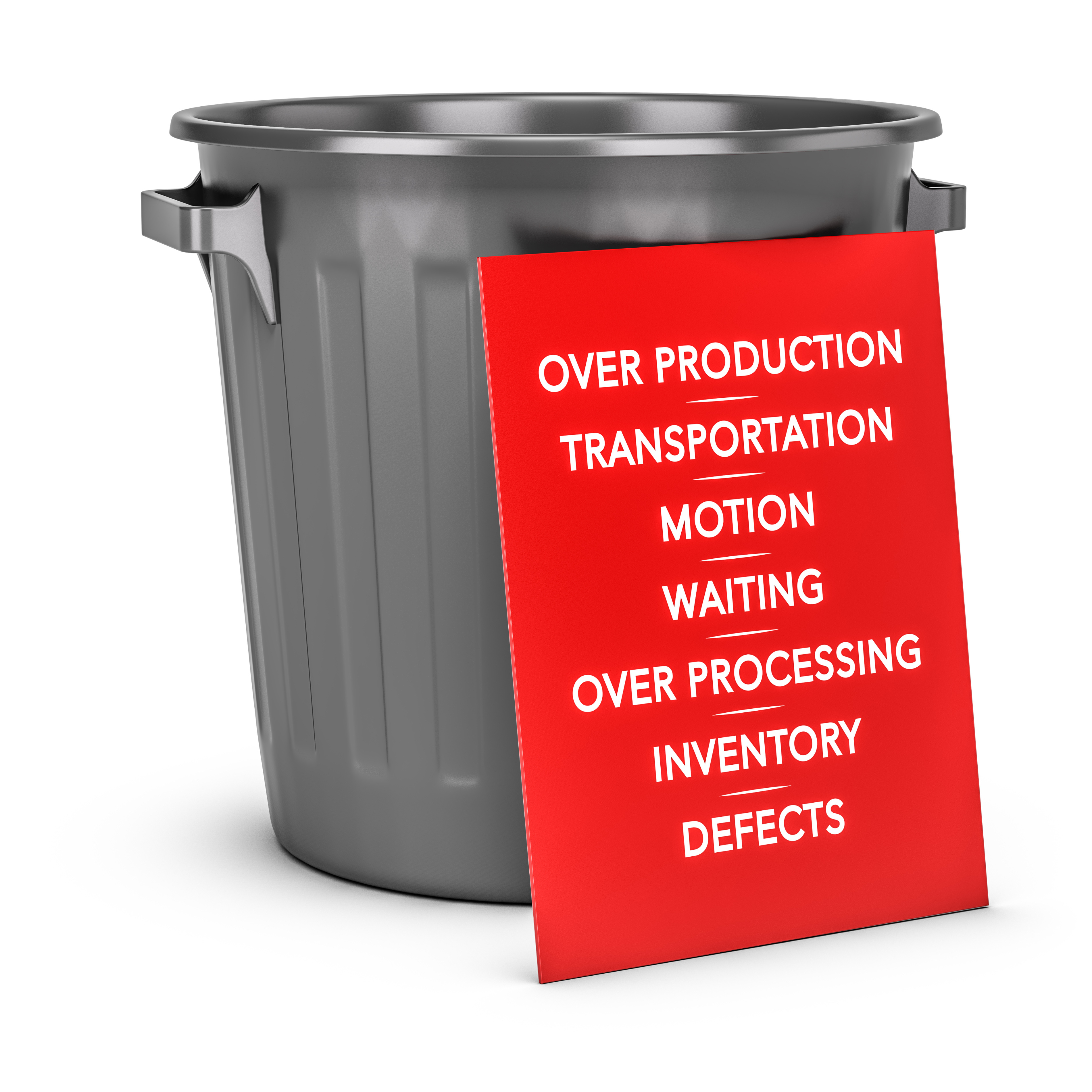
Dec 12, 2025 5:09:27 PM / by Bruce Hamilton posted in continuous improvement, kaizen, 7 wastes, Lean Management, 7 wastes. Toyota Production System

0 Comments

The sobering truth is most of the time spent on any process is waste. Some estimates are upwards of 95%. We all spend many precious resources like money, time, and effort on a process, but only a small slice of that actually delivers value to the customer.

Read More

Turning True North into Daily Work

Dec 3, 2025 10:07:40 AM / by Bruce Hamilton posted in continuous improvement, Lean Daily Management, true north

0 Comments

How do we create a workplace where people show up every day, ready to strive for higher organizational goals? It all comes down to translating “true north” (aka your organization’s guiding vision) into everyone’s daily work. The word “translation” is key. Every organization has language barriers, departmental silos, and communication gaps. These gaps often are the biggest obstacles, not the guiding vision itself.

When we talk about daily work, people focus on the shop floor. But change must start at the top.

Read More

Recent Posts